SEO Tips
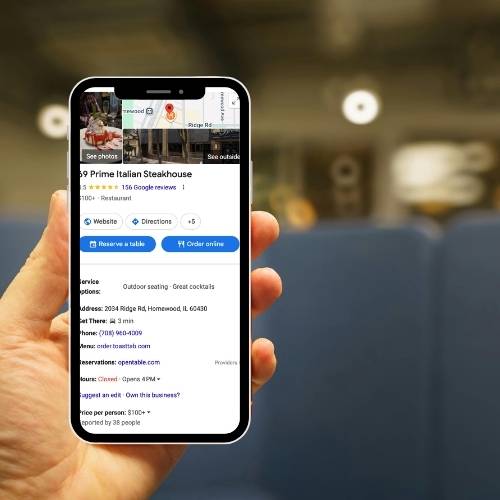
Most Google Business Profile advice sounds the same. Add photos. Get reviews. Fill everything out. Those basics matter. But they are not what separates businesses
Facebook is not the newest platform in the room, but it is still one of the most useful tools for small businesses when it is used with a clear strategy.
The challenge is that Facebook marketing does not work the same way it did years ago. Posting a few updates, sharing a sale, and hoping people see it is not enough. The platform is more competitive, the feed is more personalized, and your audience is seeing a mix of posts from friends, groups, pages, recommended content, and ads. That does not mean Facebook is no longer valuable. It means your business needs to use it with more intention.
For many small and medium sized businesses, Facebook still supports brand awareness, local visibility, customer education, event promotion, community engagement, website traffic, and lead generation. The key is understanding what role Facebook should play in your larger marketing strategy.
Here are practical, updated tips for using Facebook to market your business in 2026.
Before you post anything, know what you want Facebook to help you accomplish.
A Facebook strategy for a restaurant promoting weekly specials should look different from a strategy for a home service company trying to generate quote requests. A medical spa, nonprofit, shopping center, ecommerce brand, and professional service business will all need different content priorities.
Here’s why this matters. If you do not know the goal of your content, it becomes very easy to post just to post. That usually leads to generic content, inconsistent messaging, and weak results.
Each post should have a job. Sometimes the job is to educate. Sometimes it is to drive action. Sometimes it is to build trust. The goal does not need to be complicated, but it does need to be clear.
Your Facebook page may be one of the first places someone checks before they call, visit, book, or buy from you. If your page looks outdated, incomplete, or inactive, it can create hesitation.
At a minimum, your Facebook business page should include:
This is especially important for local businesses. People often use Facebook to confirm details quickly. They may check your hours, look for recent updates, send a message, browse reviews, or see if you have posted about a current offer.
Your page should make the next step easy.
Consistency still matters, but consistency does not mean posting every day with no strategy behind it.
For many small businesses, posting two to four times per week is a realistic starting point. Some businesses may need more frequent updates, especially if they have events, promotions, seasonal changes, menus, inventory updates, or community activity. Others may do better with fewer posts that are more thoughtful and better supported.
The right posting schedule depends on your business, your audience, and your capacity.
A strong Facebook content calendar should include a mix of:
The goal is not to fill space. The goal is to stay visible with content that helps your audience understand who you are, what you offer, and why they should trust you.
That means your content needs to be useful, relevant, and engaging to the right audience.
The platform may consider factors such as:
Asking thoughtful questions is fine. Manipulating people for comments, shares, or reactions is not.
Avoid posts that rely on tactics like:
These tactics can make a page feel spammy and may work against the trust you are trying to build.
A better approach is to ask questions that create real conversation.
For example: Instead of:
“Comment YES if you need a new website.”
Try: “What is the hardest part of keeping your website updated while running your business?”
That second version gives you better information, starts a stronger conversation, and feels much more human.
For businesses, this means video should be part of the content plan, even if it is simple.
You do not need highly produced videos for every post. In many cases, clear and useful videos perform better than overproduced content that feels disconnected from the business.
Good Facebook Reel ideas include:
Most people are not ready to buy the first time they see your business on Facebook. They may be comparing options, learning about a problem, deciding whether they trust you, or simply becoming familiar with your name.
Educational content helps close that gap.
Examples of educational Facebook posts include:
There is nothing wrong with promoting your business on Facebook. Sales, offers, services, events, and new products all deserve visibility. The problem is when every post asks for something.
A healthy Facebook strategy should balance direct promotion with content that builds trust over time.
Think of your content in four categories: Awareness content This introduces your business, team, story, values, or community involvement. Education content This answers questions, explains problems, and helps people make informed decisions. Proof content This includes reviews, results, case studies, project examples, before and afters, and customer stories. Action content This asks people to book, call, request a quote, register, shop, visit, or contact you.
If your page is only posting action content, your audience may tune it out. If your page never asks for action, you may build awareness without creating leads. You need both.
Facebook Groups can still be useful for local businesses, niche businesses, and community focused brands.
The key is to participate in a way that is helpful, not intrusive. Many groups have strict rules about promotion. Read those rules before posting. If direct promotion is not allowed, look for ways to contribute through advice, recommendations, local knowledge, or helpful answers.
Do not join groups just to drop links. That rarely builds trust. Groups work best when you treat them like communities, not free ad space.
Facebook Events can be very effective for open houses, classes, workshops, tastings, community events, sales, fundraisers, and seasonal promotions.
A good Facebook Event should include:
Do not create the event and disappear. Share reminders, answer questions, post updates, and use the event page to build momentum.
Facebook Events also give people an easy way to show interest, invite friends, and return to the details later.
Check out this Facebook Event example for the Chicago Food Truck Festival.

Pinned posts are simple, but they are often an overlooked strategy.
When someone visits your Facebook page, your pinned post can guide them toward the most important current message. Just make sure you remove or replace pinned posts when they are no longer relevant.
An expired event or outdated promotion at the top of your page makes the business look less attentive. Trust us, we see this as a very common mistake!
A simple calendar reminder can help keep this from slipping through the cracks.
Meta Business Suite can help you manage Facebook and Instagram content in one place. Meta describes its business tools as a way to manage content scheduling, messaging, insights, and ad creation across Facebook and Instagram.
For small businesses, this can make social media feel less scattered.
You can use Meta Business Suite to:
Organic Facebook posting is useful, but it has limits. If you want to reach new people, promote an offer, retarget website visitors, or generate leads, Facebook ads may need to be part of the strategy.
The mistake many businesses make is boosting posts without a plan. Boosting a post is easy, but easy does not always mean strategic. A better approach is to know the campaign goal, audience, budget, creative, landing page, and follow up process before spending money.
For lead generation, Facebook Lead Ads can reduce friction because users can submit information without leaving the platform. That can be helpful, but lead quality depends on the offer, form questions, targeting, and follow up.
If you collect leads, have a response process ready. A slow follow up can waste the budget.
Likes and comments can be useful signals, but they are not the full picture. If Facebook is part of your marketing strategy, you should understand how it contributes to business results.
Track metrics such as: Reach, Engagement, Video views, Link clicks, Website traffic, Calls, Messages, Form submissions, Event responses, Cost per lead, Conversion rate and Sales or booked appointments. The right metrics depend on your goal.
For example, if you are promoting an event, event responses and ticket clicks may matter more than comments. If you are promoting a service, calls and form fills may matter more than likes. If you are building awareness, reach and video views may be useful early indicators. Data should help you make better decisions. It should not just sit in a report.
Creating new content for every post can become overwhelming.
Instead, repurpose what you already have.
For example:
This approach saves time and helps reinforce your messaging across your audience.
Facebook can be a strong tool for partnership marketing. If your business works with complementary businesses, local organizations, vendors, venues, property managers, nonprofits, or referral partners, Facebook can help you extend that relationship publicly.
The best partnerships are strategic. They should make sense to the audience and create value for both businesses. This approach can help you reach people who may not already follow your page, while strengthening your local or industry relationships.
Facebook works best when it is connected to your larger strategy. Your social media, website, SEO, email marketing, paid ads, and analytics should support each other.
Yes, Facebook can still be worth it for small businesses, but it should not be treated like a standalone solution.
Facebook is strongest when it supports a larger marketing plan. It can help people discover your business, learn from you, interact with you, and take the next step. It can also help you stay visible with past customers, promote events, support local awareness, and drive traffic to your website.
The businesses that get the most value from Facebook are usually the ones that use it with a plan. They know who they are talking to. They know what they want people to do next. They create content that is useful, not just promotional. They review the data. They adjust as they learn. That is how Facebook becomes more than a place to post updates. It becomes one piece of a stronger marketing system.
At Point of Action Marketing, we help businesses create marketing strategies built around real goals, clear data, and high impact priorities.
Whether your Facebook page needs a stronger content plan, better reporting, paid ad support, or a clearer connection to your website and lead generation strategy, our team can help you understand what is working and what needs to improve.
Schedule a strategy call and let’s talk through where Facebook fits into your larger marketing plan.
Most Google Business Profile advice sounds the same. Add photos. Get reviews. Fill everything out. Those basics matter. But they are not what separates businesses
Most business owners have heard of SEO. Fewer understand what it is, how it works, or what it takes to see results. That gap creates

Shopify collections are no longer simple product lists. They are active merchandising spaces that influence conversion rate, average order value, and how customers experience your